Q&A with Anca Bossons Energy Traders Europe
Traders Talking
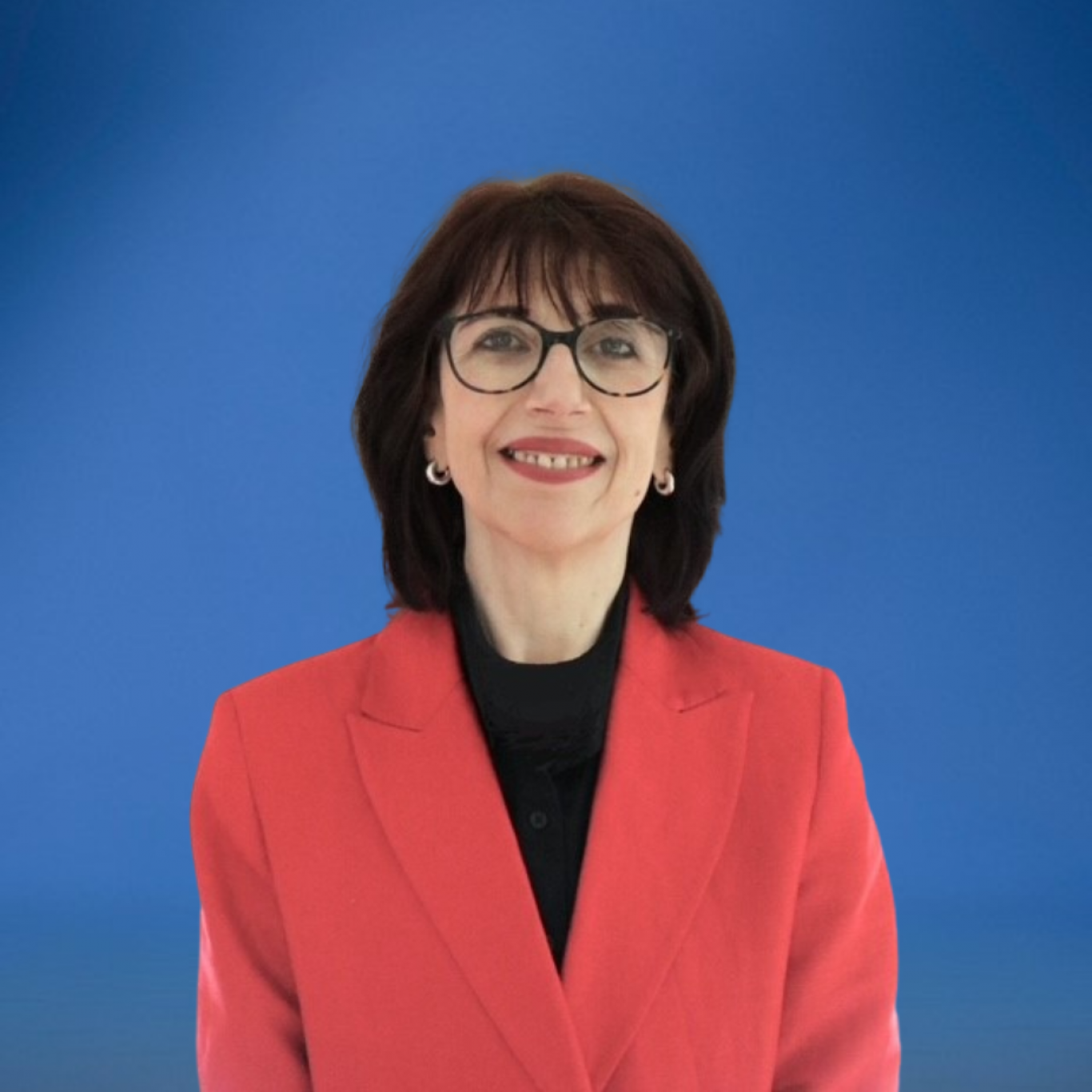
What sparked your interest in pursuing a career with Energy Traders Europe?
Working for an energy trading company is, in a way, fairly straightforward: robust internal objectives, delivery-orientated projects, and people having clear priorities assigned. Working for an association representing member companies is considerably different: contrasting opinions, conflicting priorities, and reaching consensus can be challenging, but very interesting at the same time.
What aspects of energy trading particularly appeal to you?
The global aspect of energy trading is particularly appealing; being on the trading floor and witnessing commodity flows crossing borders is like having a map opening up to you. Our business attracts very diverse talent, which makes it enjoyable working with colleagues in an international context.
What surprised you when you entered energy trading?
Initially, 20 odd years ago, there were very few women working in this area in both the UK and Europe. I remember complex projects, large IT teams, vast trading floors with hardly any women, or being the only woman around. I’m delighted to see how things have changed and that women are now present in all aspects of the business, making outstanding contributions.
Tell us something about yourself that would surprise most people who know you.
I was born in Romania and have been living and working in the UK for more than 30 years. I hold passports from both Romanian and the UK.
What was your first job.
As a student and after graduation I used to give private tuition in the evenings. It taught me how to break down complex concepts into small, simple, repeatable steps. I was paid in money and/or food. I remember one particular evening, after a long explanation of simultaneous equations, trudging through the snow in the night with a couple of jars of sour cream in my arms!
Which key responsibilities do you hold which effectively contribute to the association's success?
I run all of the Operations Committee working groups ensuring complete, accurate, and timely maintenance of our data standards, while reflecting our members' business and data needs, supporting them in their quest for efficiency and digitalisation. We are unique in the industry, in setting standards that are created by our members in the evolving European rulings landscape.
I am an experienced, 'superglue' type, keeping everything and everyone on track in Operations!
What sources of information, analysis, and expertise do you rely on to stay ahead of the curve in the energy trading landscape?
Being based in Oxford, UK, I am rather biased and listen to podcasts by the Oxford Institute of Energy Studies, follow Dieter Helm, subscribe to publications issued by Oxford based companies such as Aurora Energy Research and AFRY, and I attend various Energy-related lectures. I also read with interest any blogs, articles, and newsletters by Timera Energy, ICIS, and most of our member companies that I follow on LinkedIn. I get newsletters from tech companies like Baringa, Avanade, and implementors of our standards Equias and Fidectus. For knowledge of larger change projects, I follow companies like VATCalc and the big accountancy names EY and PWC.
I am a rather nosy LinkedIn user and check out posts from the thousands of energy contacts in my network. Of course, direct networking at conferences and events like E-World in Essen, Energy Trading Week in London, and ETSCEE in Eastern Europe is invaluable.
How do you see the future of the European energy market, and what potential challenges and opportunities do you anticipate?
Trading is getting faster and more automated. This opens significant opportunities and new challenges.
High-frequency, real-time trading, granular trading (e.g., in 15-minute or even 5-minute intervals), advanced models like peer-to-peer (P2P) energy trading, flexibility markets, virtual power plants and cross-border market integration, are all opportunities enabled by automation and digitisation. This is where our interoperable data standards become an essential tool in supporting our members to take advantage of these new opportunities.
However, at the same time this brings new challenges such as massive volumes of data overload and complex analytics. Smaller players may be disadvantaged by high entry costs for advanced trading platforms or a lack of access to real-time data, widening inequality in market participation. Standardised protocols for data access, storage, and sharing are vital.
It might not seem obvious, but the work of the Operations Committee to help drive standardisation and interoperability ultimately helps to reduce costs, enabling fair access and future growth for everyone.
Another challenge is the regulatory lag, some market rules and oversight often lag behind the pace of technological innovation, creating gaps in governance and risk management. The work we do at Energy Traders Europe, assisting our members in this area is an important aid.
I am confident that in the future, the Operations Committee, driven by its members, will increase and expand in large areas of digitisation and automation of all data standardization and interoperability.